
全球科研成果融入·健康生活
GLOBAL LIFE
Integrate Global Research Results Into Healthy Lifestyle

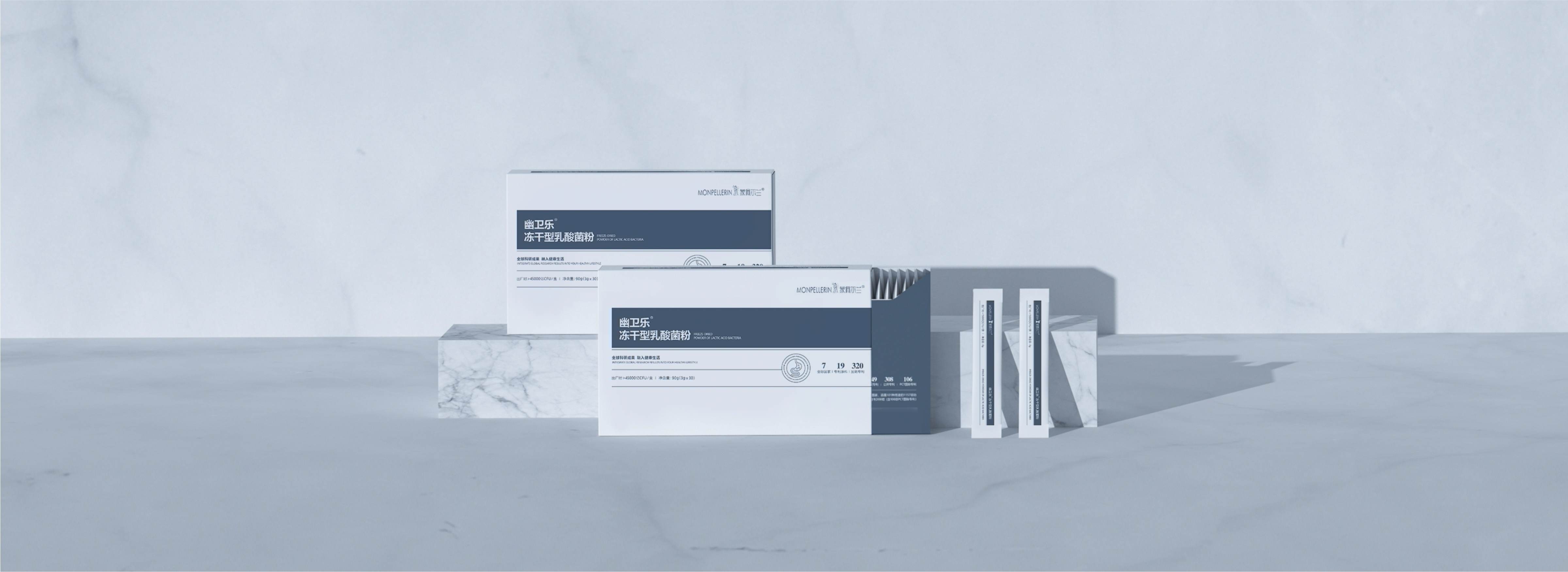






Inhibit Helicobacter pylori (HP)
Ligilactobacillus salivarius AP-32 can significantly reduce H. pylori in the gastric mucosa and alleviate gastric inflammation by decreasing the expression of inflammatory chemokines and lymphocyte infiltration, so as to effectively lower the risk of H. pylori infection.

Repair Gastrointestinal Mucosa
Lactiplantibacillus plantarum LP01 can enhance the protective capacity of the gastrointestinal mucosal barrier by increasing the synthesis of the mucin MUC2 in colonic goblet cells, so as to alleviate intestinal inflammation induced by the entry of various bacteria, toxins, and other macromolecular antigens from the intestinal lumen into the body.

Alleviate Abdominal Pain and Distension
Lactiplantibacillus plantarum 299V can inhibit the release of inflammatory mediators such as 5-HT and histamine from degranulated mast cells, reduce visceral nerve fiber sensitivity, and modulate intestinal permeability via bioactive peptides, so as to alleviate abdominal pain and distension.
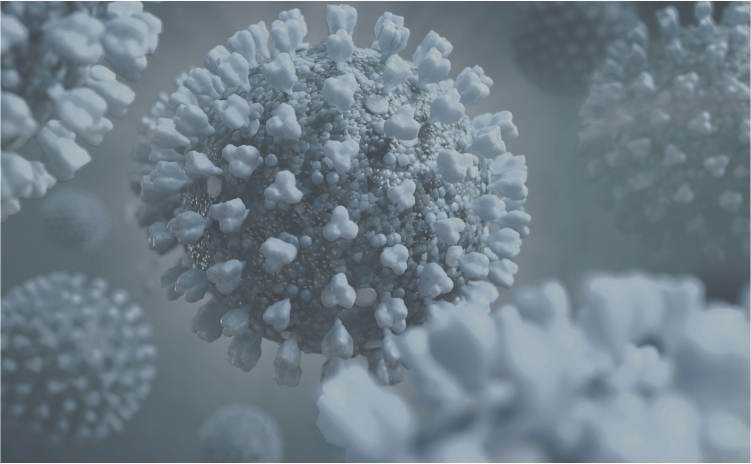
Inhibit Pathogenic Infection
Lactiplantibacillus plantarum 299V can suppress NF-κB activation and cytokine release in intestinal inflammatory cells, and restore the mucosal barrier by down-regulating Fas expression on enterocytes, so as to protecte the gut from invading pathogens.

Relieve Poor Defecation
Lactiplantibacillus plantarum LP01, Bifidobacterium breve BR03, and Bifidobacterium animalis subsp. lactis BS01 can produce organic acids-lactic, acetic, and short-chain fatty acids to lower intestinal pH and accelerate gut motility so as to effectively alleviate hard stools and infrequent defecation.
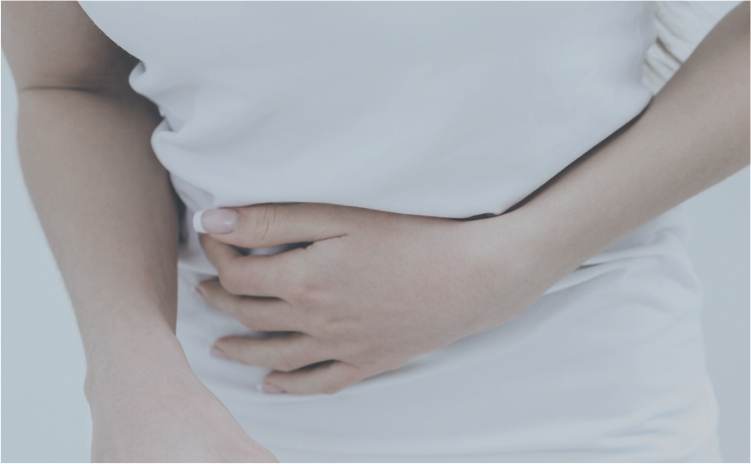
Relieve Abdominal Distension and Diarrhea
Lacticaseibacillus rhamnosus GG can enhance intestinal immunity by stimulating secretion of sIgM and sIgA, so as to establish a mucosal immune barrier. While suppressing enteropathogen growth, it can also regulate gut dysmotility and alleviate diarrhea.
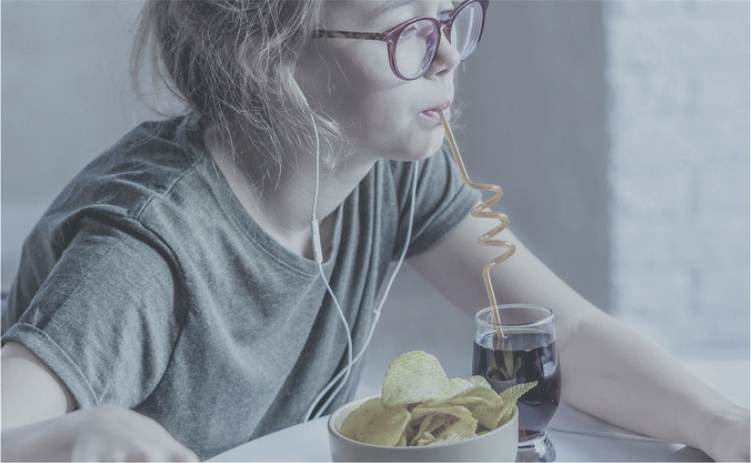
Relieve Dyspepsia
Lactobacillus acidophilus NCFM can rise gastrin and motilin in the serum to enhance antral contraction and gastric emptying, so as to reduce abdominal distension and pain.

Restore Gastrointestinal Motility
Bifidobacterium animalis subsp. lactis Bb-12 can boost production of short-chain fatty acids such as acetic and lactic acids. While suppressing putrefactive bacteria and the formation of toxic metabolites, it can also improve intestinal peristalsis and restore gastrointestinal motility in patients.